Fighting games are a deep, conversational genre of game unlike anything else in the market. The back-and-forth of digital combat between two real humans has been refined and mastered over decades of releases, so much so that there's an entire culture of playing them, unique from the common esport. Though, no matter how polished the games become, the genre has always had one major set-back: the timing-strict and technically precise nature of fighting gameplay is heavily impacted by imperfections in internet connection, making the modern concept of online play, while possible, a much worse experience than designed to be.
For decades, the true fighting game experience was only accesible through being in the same place as your opponent, and even now, many will say that's still true... though with the right connection and proper implementation, there is now a method for online play that comes extremely close to the frame-perfection of fighting locally... a method called rollback.
So, What is it?
To talk about rollback, we need to first discuss its predecessor: delay.
The first online modes for fighting games were implemented on the Sega Dreamcast (released 1999) using delay-based netcode, the method still commonly used by most AAA fighting game developers today.
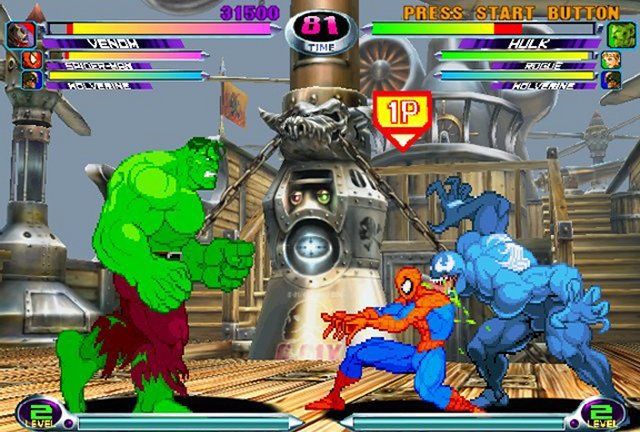
It's a pretty simple system: if the internet can't keep up with either of the consoles playing, the game-state slows down before advancing to the next synchronized frame, ensuring that both players are playing the exact same match. Additionally, an input delay is automatically applied to both systems, giving the game-state some extra time to stay ahead. This sounds fine on paper, but the slowdowns in catching up can mess with crucial timing, and the input delay can throw players off if it's too long, or even worse, changes mid-match. If you've ever played a fighting game on delay-based netcode, chances are it didn't feel very smooth.

In 2006, Tony Cannon, tournament organizer and recognized fighting game OG, played the Xbox 360 re-release of Street Fighter II: Hyper Fighting and was dissastisfied with its online play. As he said in an interview for Gamasutra, the netcode "was literally unplayable for a hardcore fighting game person. If all you remembered was Street Fighter II on the SNES and you just jumped back in after eight years and just started playing it, maybe it was good for you, but for hardcore fighting fans it was just unplayable."
Cannon went to work on developing an alternative to delay-based netcode, and after a little less than a year of independant labor, he released the first build of GGPO (short for "Good Game Peace Out,") a middleware networking framework that pioneered the now-cherished technique titled rollback.
It works like this: every frame, the game will predict the next motion made by each of the players, and then simulate those predictions in real time. If it predicts incorrectly, the game will roll back to the last accurate game-state, then play the actual inputs as they happened, without slowing down the game at any point.
This sounds difficult to pull off, and while it definitely is, the process is a bit easier with fighting games compared to other genres. Fighting game interactions made by the same players multiple times will often play out the same way. For example, if you know your combos and perform them accurately, the game will know them too, and display them accurately. Of course, glitchy rollbacks in the middle of gameplay can hinder the experience, but with a good internet connection they happen very rarely, and even when they do, it's infinitely easier to work with than the slowdowns of delay-based netcode.
With slowdowns gone, that's one issue off the list, but it's a bit tough to be completely rid of input delay. If your internet connection is good enough, rollback can work without any input delay, but if it needs it, GGPO allows its users to choose a consistent input delay before a match starts, which is much more of a blessing than it seems. Most importantly, the dreaded automatic change in input delay doesn't occur, so you're using the same timing for an entire match. Because the timing is consistent, it allows players to grow used to specific amounts of delay, minorly offsetting important muscle-memory so that timing-based techniques aren't as hard in an online setting. Now the player can set their priorities: you have a choice between a lower-delay match with a higher likelihood of rollbacks, or a higher-delay match that plays out more smoothly.
Now you know what it is, but in the same interview cited above, Cannon stated that "a description of how it works is not enough to convince someone." So, here's a linechart showing the concurrent playercount for Guilty Gear XX Accent Core +R -- can you guess when the rollback patch was released?
Data Source: SteamCharts
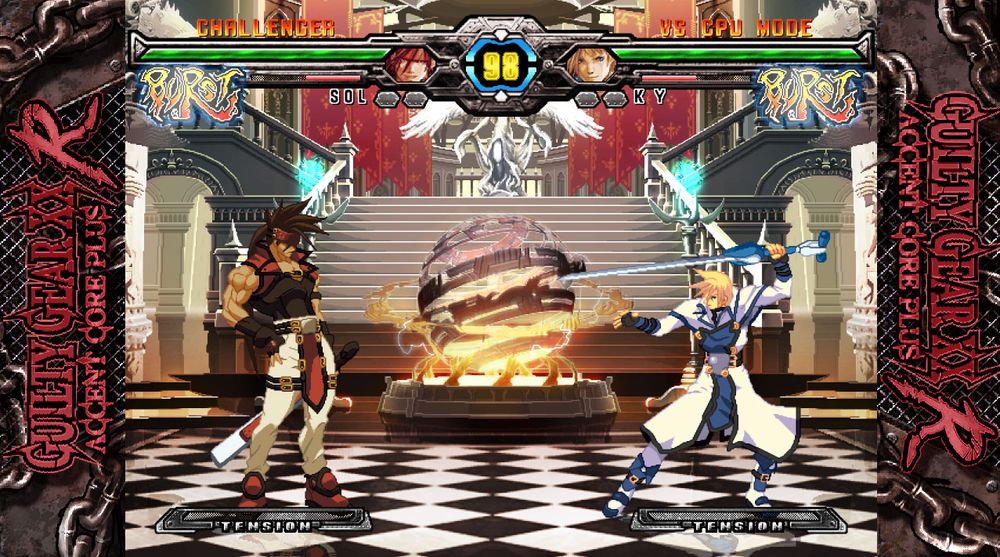
Just look at that spike in players. The original version of Guilty Gear XX released in 2002... almost 20 years later, its playerbase has shot up by an exponential degree, solely because it got rollback... though, cool as that is, it should be said that just rollback alone isn't enough for a phenomenon like this.
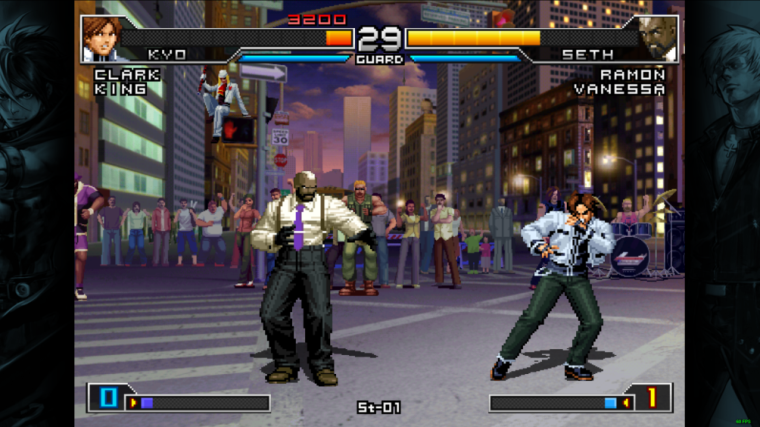
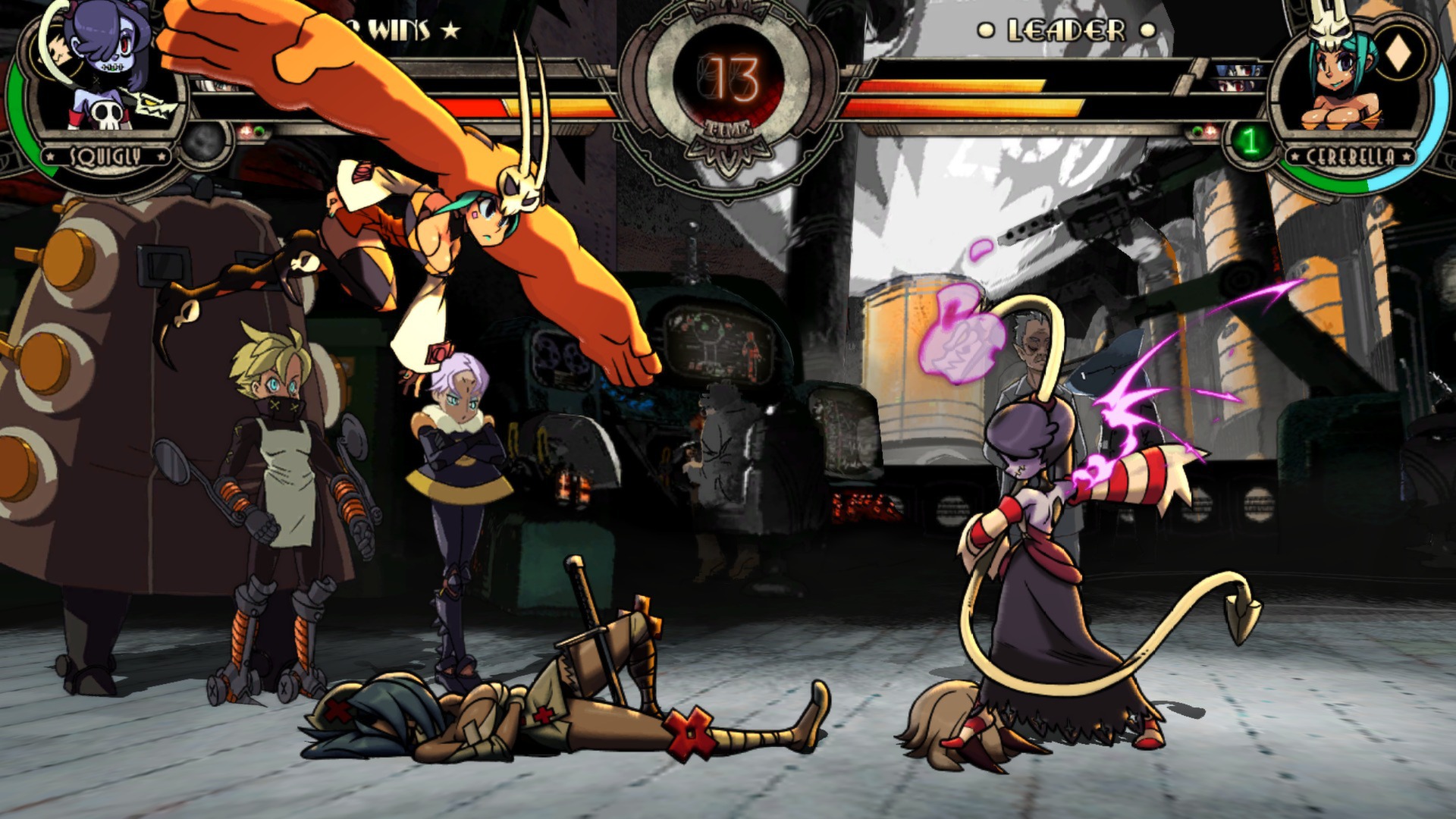
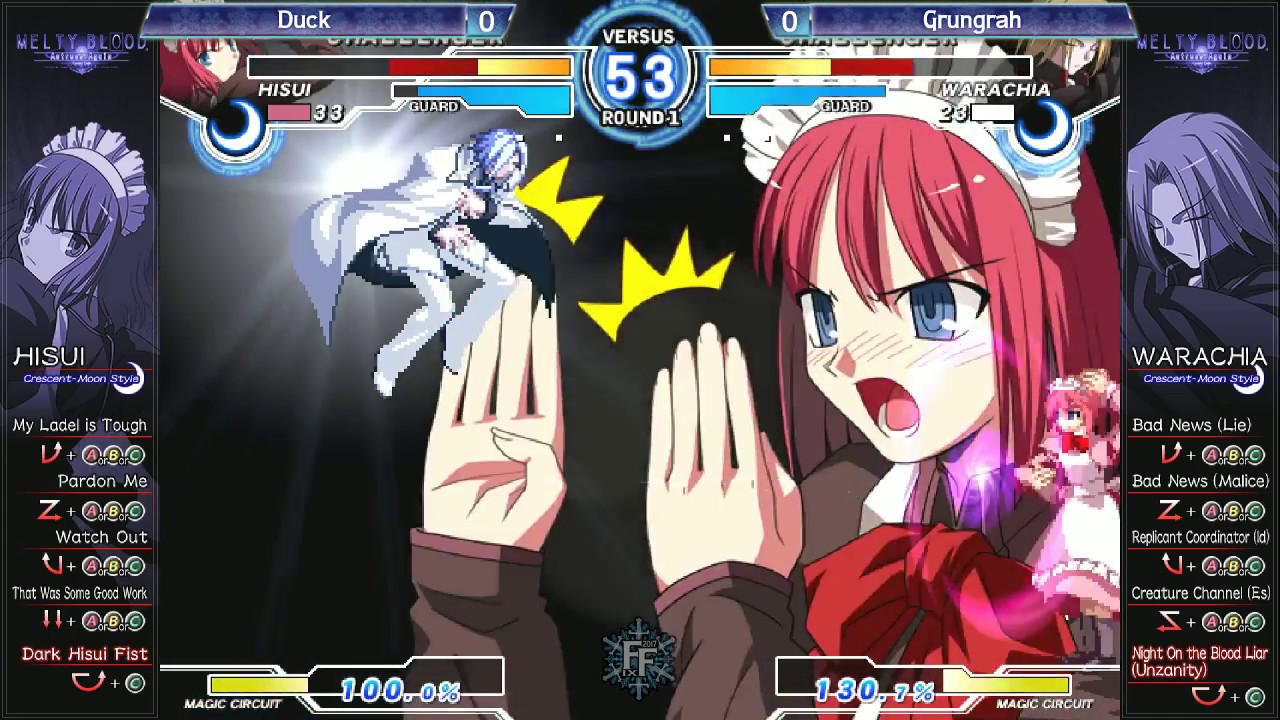
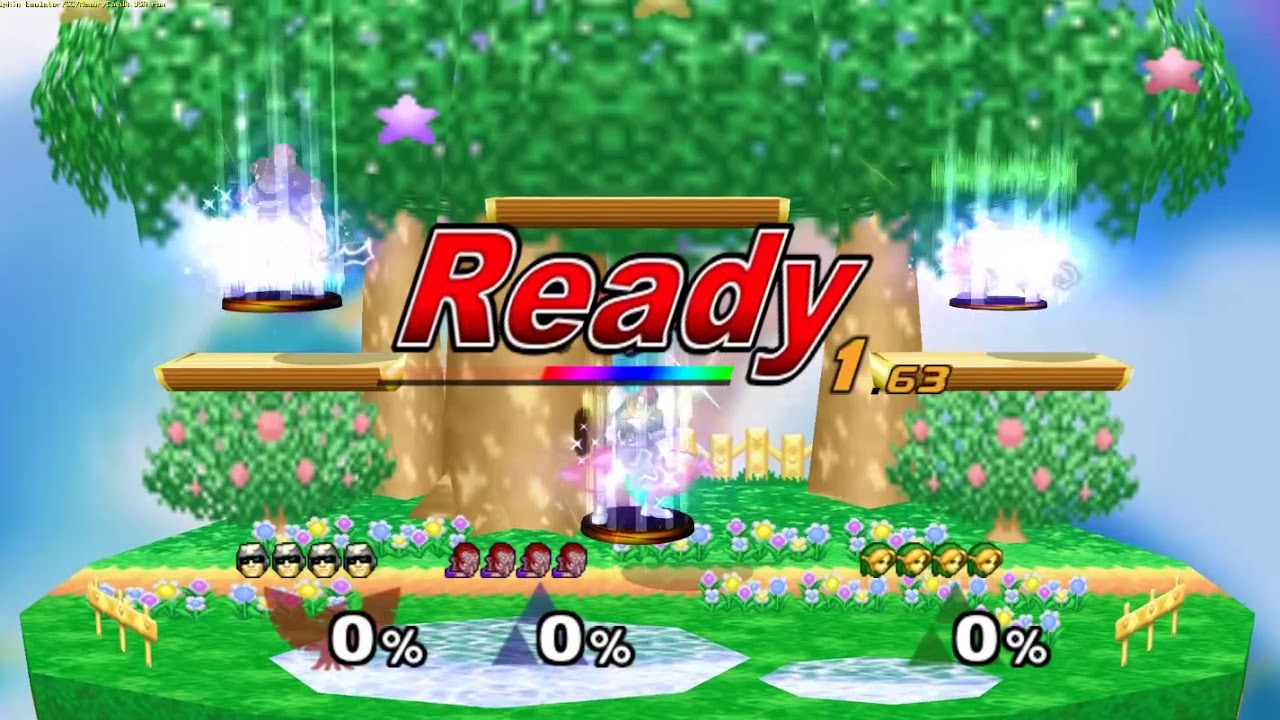
First, +R didn't just get rollback -- it got really good rollback. There have been plenty of not-so-good implementations... among several others across rollback-history, Street Fighter V is one of the ones that dropped the ball. Games that make it work, though, like The King of Fighters 2002: Unlimited Match, Skullgirls, and generally most titles that directly use GGPO, have netcode so smooth and playable that they're accepted by the community as the only games you can really play online. A "rollback game" doesn't have to have official rollback, either -- games like Melty Blood Actress Again Current Code and Super Smash Bros. Melee have fan-made rollback implementations that work just as well, if not better, than what AAA developers can provide.
Second, this patch happened in the thick of the COVID-19 pandemic, meaning players around the world hadn't been to a local fighting game event in months (and at the time of writing this, they probably still haven't.) Starved for smooth, local-like gameplay, players of all fighting games flocked to +R, and then eventually left it once the hype died down (as can be seen by the sharp end of the spike. The "true playerbase" can then be seen afterwards, and it's still plenty larger than it was before.)
Third, the game was cleverly put on sale as soon as the rollback patch was released, dropping the price down to a little more than $2. A fighting game with fantastic netcode for the price of a Sprite is an unbeatable deal, and the graph shows that many others agree.